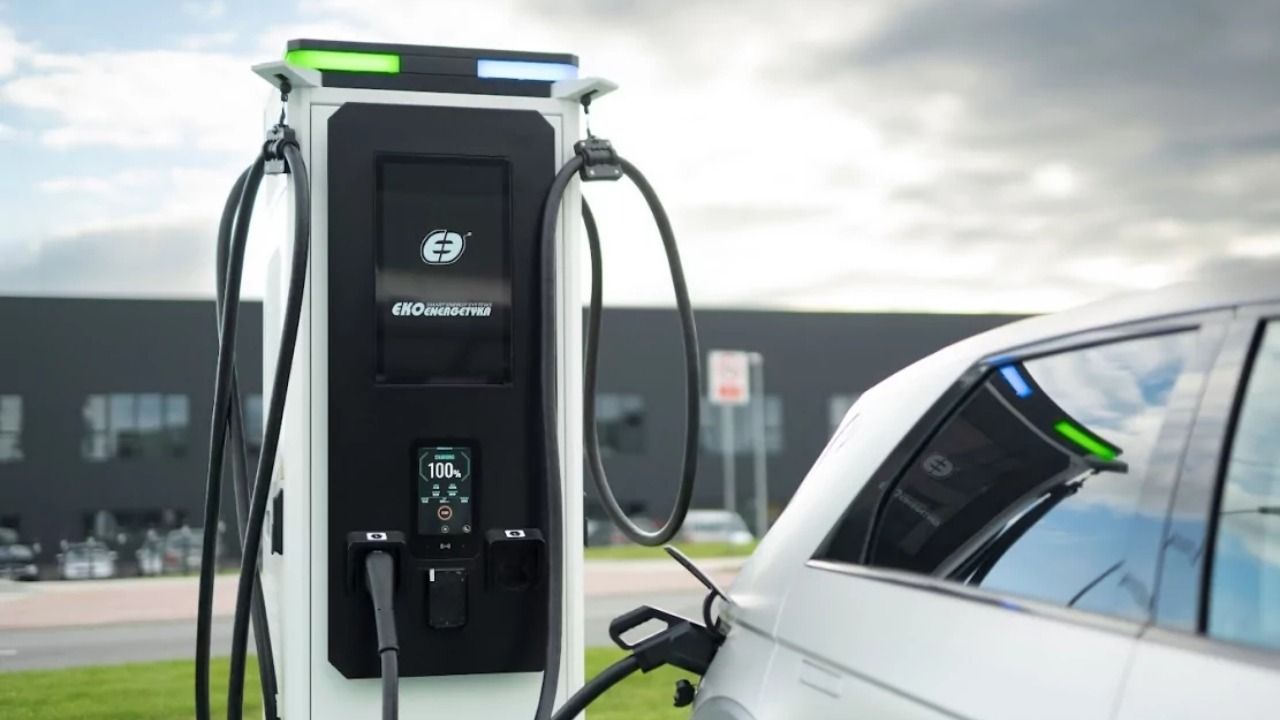
Karnataka’s EV dream hits roadblocks: Users struggle with charging costs and infrastructure deficits
India
June 5, 2026
Karnataka's EV owners struggle with severe range anxiety, unreliable public chargers, and high costs, stalling the state's electric mobility dream Karnataka's aggressive transition towards electric mobility is currently facing a harsh reality check. While the state government has actively championed electric vehicles (EVs) through favourable policies and environmental campaigns, the everyday lived experience of vehicle owners paints a picture of growing frustration. For many early adopters across the state, the much-touted 'EV dream' is increasingly being overshadowed by glaring infrastructure deficits and unexpected charging costs. The infrastructure illusion On paper, Karnataka's charging network appears robust. Recent data indicates that the state ranks second nationally—just behind Uttar Pradesh—with 2,039 operational public charging stations installed by oil marketing companies. However, the ground reality for users is starkly different. EV owners consistently report suffering from severe "range anxiety," particularly when commuting on highways or traveling outside major urban centres like Bengaluru. The primary issue lies not in the sheer number of sanctioned chargers, but in their reliability and strategic placement. Users frequently encounter non-functional charging units, network connectivity issues, or stations that are occupied for hours. This unreliability often leads to agonizingly long wait times, thoroughly disrupting travel schedules and leaving drivers stranded. The rising cost of public charging Furthermore, the cost of public charging has emerged as a significant deterrent. While charging at home remains relatively economical, relying on the public fast-charging network is proving to be an expensive affair. The high per-unit electricity tariffs at commercial stations, sometimes coupled with parking fees, significantly dilute the long-term cost-saving appeal of owning an EV. Urban residents living in high-rise apartments face their own unique hurdles. Apartment dwellers frequently battle restrictive Resident Welfare Associations (RWAs) and bear exorbitant out-of-pocket expenses to install personal charging setups in shared basement parking spaces, making the EV transition highly cumbersome. Also Read: Karnataka announces free bus pass scheme for 10 lakh male students at ₹1,700 crore annual cost A need for centralized planning Compounding these challenges is a noticeable lack of coordinated planning. Currently, there is no comprehensive, centralized assessment to align the deployment of charging infrastructure with the actual density of registered EVs. This systematic mismatch results in overcrowded charging hubs in specific city pockets while leaving critical highway stretches completely unequipped. If Karnataka hopes to sustain its momentum in electric mobility, policymakers and private players must urgently shift their focus. The goal must evolve from merely increasing the raw count of charging stations to ensuring their total reliability, widespread accessibility, and affordability. Until these fundamental on-ground hurdles are resolved, the state's true EV revolution will remain a dream deferred for many prospective buyers. Also Read: India’s economic engine roars: Q4 GDP surges 7.8% as FY26 growth reaches 7.7%