Bengaluru may bar heavy vehicles for 14 hours to cut traffic
India
July 15, 2026
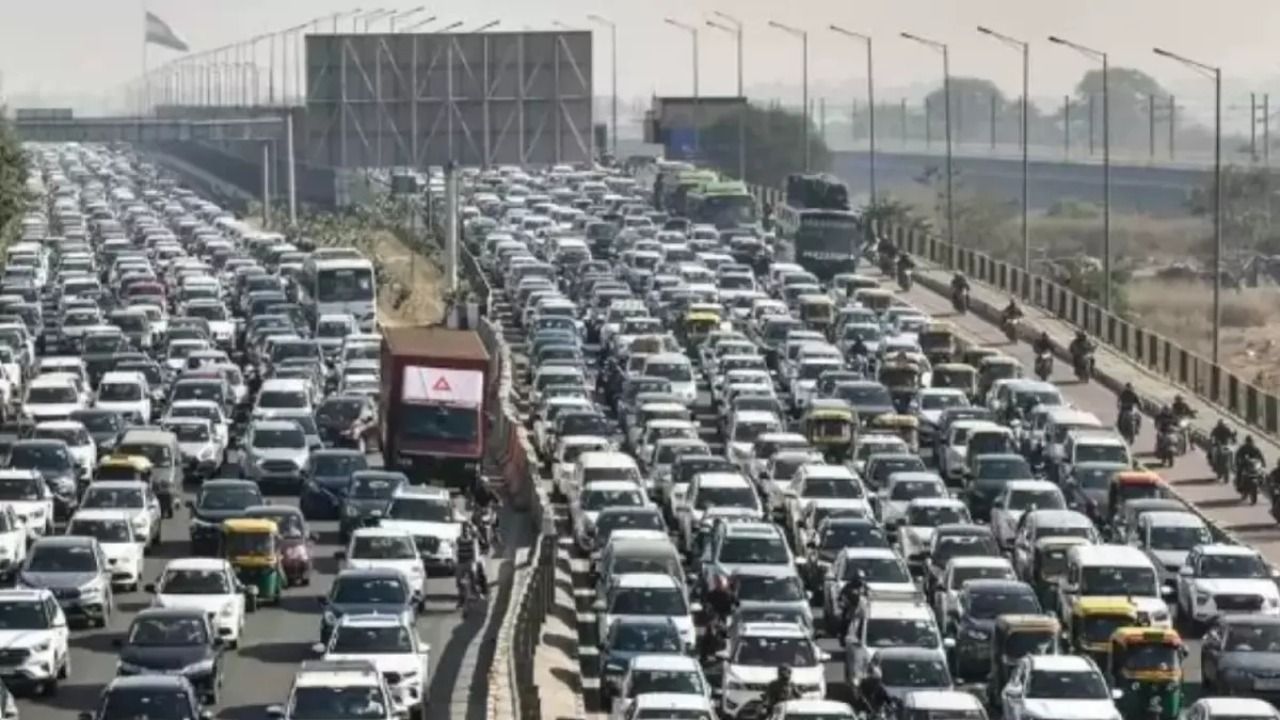
BTP proposes major overhaul by classifying heavy vehicles into five categories; new restrictions aim to improve traffic flow, increase average speeds and reduce congestion across Bengaluru. Bengaluru could soon witness one of its biggest traffic management reforms, with the Bengaluru Traffic Police (BTP) proposing a new system to regulate the movement of heavy and medium vehicles across the city. The proposal is aimed at reducing congestion, improving road safety and increasing the average speed of vehicles by introducing category-wise restrictions on the entry and movement of commercial vehicles. As part of the proposal, cargo and commercial vehicles will be divided into five separate categories based on their type and weight. These include heavy vehicles weighing more than 16 tonnes, heavy vehicles between 8 and 16 tonnes, mid-sized goods vehicles, slow-moving vehicles such as tractors, carts and small goods carriers, and All India Permit (AIP) private buses. One of the biggest changes proposed is a restriction on All India Permit private buses operating inter-State services. These buses may not be allowed to enter Bengaluru between 8 a.m. and 10 p.m. If the proposal comes into effect, private travel operators will have to arrange shuttle services from designated locations outside the city to transport passengers. Also Read: Bengaluru to shift 76 more bus stops near signals to ease traffic congestion The proposal also recommends a complete ban on heavy vehicles weighing more than 16 tonnes from operating within Bengaluru. Transport operators handling such vehicles will have to create transhipment hubs outside the city and transfer goods into smaller vehicles for city deliveries. Heavy vehicles weighing between 8 tonnes and 16 tonnes are proposed to be barred from entering the city between 7 a.m. and 10 p.m. Mid-sized goods vehicles will also face restrictions during peak traffic hours to reduce congestion on busy roads. Apart from these categories, slow-moving vehicles such as tractors, carts and small goods vehicles are likely to face movement restrictions on selected roads, especially within the Central Business District (CBD). However, trucks carrying essential commodities will be exempted from these restrictions to ensure uninterrupted supply of essential goods. The proposed traffic plan is expected to replace the existing 2014 traffic regulation issued by the then Police Commissioner M.N. Reddi. Under the current system, only heavy vehicles are restricted during morning and evening peak hours, while mid-sized commercial vehicles are allowed to operate throughout the day. Since then, Bengaluru has witnessed a massive rise in the number of vehicles, making a fresh traffic strategy necessary. Also Read: Karnataka moves closer to new apartment law, CM DK Shivakumar to hold key meeting with stakeholders today The city's vehicle population has nearly doubled over the past decade, increasing from around 60 lakh vehicles in 2015 to nearly 1.2 crore vehicles. However, road infrastructure has not expanded at the same pace, resulting in severe traffic congestion across several parts of the city. According to the latest TomTom Traffic Index, the average vehicle speed in Bengaluru stood at just 14 kmph in 2025. The proposed restrictions are expected to improve the city's average travel speed by at least 2 kmph by reducing the number of slow-moving heavy vehicles on major roads and at busy junctions. The proposal follows a passenger-first traffic management model that focuses on improving mobility for commuters while reducing congestion and lowering accident risks. Restricting heavy commercial vehicles during busy hours is also expected to create more road space for passenger vehicles, helping improve traffic flow across the city. The new traffic framework has been designed after studying successful traffic management models implemented in Hyderabad during 2024, along with practices followed in several other Indian and international cities. Based on these observations, Bengaluru Traffic Police has prepared a city-specific proposal suited to the growing traffic demands of the state capital . Before implementing the new regulations, a stakeholders' meeting is expected to be held to explain the proposal, gather suggestions and consider practical changes wherever necessary. Once approved, the new system will introduce a comprehensive traffic management framework aimed at making Bengaluru's roads safer, faster and better organised.