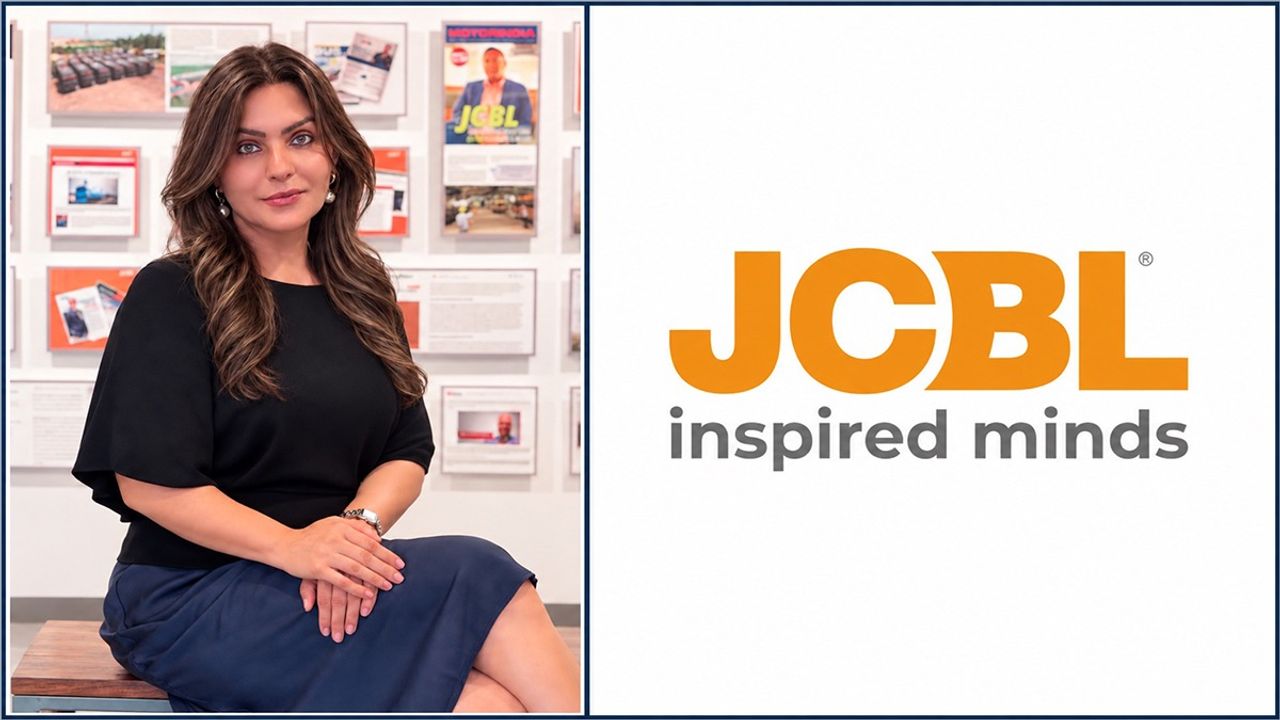
JCBL Group plans bigger consumer marketing push for motorhomes, capsule homes
India
September 18, 2026
New Delhi: JCBL Group is preparing to put more marketing weight behind motorhomes and capsule homes as it looks to take products that have traditionally catered to a niche set of buyers to a wider consumer market. Kimmy Babbar, Chief Communications Officer, JCBL Group, told BestMediaInfo.com that these categories could see a more visible marketing approach than the group typically uses for its manufacturing businesses, including influencer marketing, larger content partnerships and paid digital campaigns. “For those categories, we may use substantial influencer marketing, partner with larger channels and even explore some of the more visible or ‘flashy’ formats where they make sense,” Babbar said. Motorhomes and capsule homes have largely been customised products catering to a relatively small set of buyers. JCBL is now working on making them more accessible to a broader market. The group already manufactures specialised vehicles, including motorhomes, container homes, buses, healthcare vehicles, defence vehicles and logistics applications. Babbar said JCBL has also made campaign vans and specialised vehicles for high-profile clients over the years, although much of that work has remained out of public view because of confidentiality requirements. “We are not doing anything new, but we are now making it more accessible and available to the general public. That's what we are working on right now,” she said. The company also expects pricing to play a role in widening the market. According to JCBL, motorhome configurations that could previously cost upwards of Rs 1 crore may be available below Rs 60 lakh as the category becomes more accessible. Digital starts contributing to sales Digital is already doing more than building visibility for JCBL’s motorhome business. Babbar said around 20-30% of motorhome sales over the past year came through online leads. “We have been able to generate around 20-30% of our business through online leads, driven by our campaigns, paid promotions, PR efforts and other digital initiatives,” she said. Capsule homes are at an earlier stage. JCBL has completed a soft launch and is carrying out test marketing in different markets before deciding on pricing and a wider commercial rollout. If demand develops, motorhomes and capsule homes could also change the way JCBL markets itself. Much of the group’s communication so far has been built around B2B relationships, trade shows, technical communication and organic visibility. Babbar recalled that when she joined JCBL about a decade ago, some of its B2B businesses saw little need for active marketing because order books were full and relationships with OEM customers were already established. That thinking, she said, has gradually changed as manufacturing businesses have started using digital, social media and PR to build visibility and trust beyond their existing customers. Why JCBL keeps much of its marketing in-house Even as JCBL considers more paid and influencer-led marketing for consumer-facing products, it does not plan to outsource the core of its manufacturing communication. The group handles much of its content, design, development, websites, UX, UI and coding internally. PR is among the key functions handled by an outside agency, while events, printing and branding assignments can be given to specialist partners. Babbar said the technical nature of the businesses makes it difficult to completely hand over communication to an external agency. “If I have to create a brochure for a brand, it requires constant follow-ups, detailed inputs, data collection and a certain level of technical understanding. That is not something I can entirely expect an agency to handle on its own,” she said. The company has worked with external creative agencies in the past, but Babbar said the model did not always deliver what the business needed. As a result, its in-house marketing teams are first familiarised with individual businesses before they start developing communication for them. JCBL’s current marketing mix also remains heavily tilted towards organic activity. Babbar estimated that close to 90% of the group’s present marketing activity is organic, with paid media brought in when there is a specific campaign, geo-targeting requirement or lead-generation objective. That mix, however, could change selectively as JCBL increases its focus on consumer-facing categories. No common marketing budget across the group JCBL does not operate with a single marketing-spend formula across its businesses. Babbar said budgets are decided business by business, depending on whether a unit is launching a product, entering a market, looking for customers or trying to build its positioning. For JCBL’s B2C businesses, marketing spending generally ranges between 1% and 3% of revenue. There is no fixed ratio for its B2B businesses. “We sit down with individual businesses every month to plan the marketing strategy. We look at what's coming up, where our target audience is likely to be, and suggest where it makes the most sense to invest that month,” Babbar said. That can also mean spending more on trade shows in businesses where customer acquisition and visibility are tied closely to industry exhibitions. Defence, for instance, is entering a stage where JCBL wants to showcase products that have been under development and testing over the past few years. That can shift marketing money towards domestic and overseas exhibitions rather than conventional media. For motorhomes, the priority could increasingly be digital lead generation and consumer communication. Capsule homes could require awareness-building as the category is tested in new markets. Other manufacturing businesses may continue to depend more heavily on exhibitions, customer relationships and technical communication. The approach means JCBL is not necessarily moving towards higher marketing expenditure across the group. Instead, it is becoming more selective about where the money goes and what it is expected to achieve. As its consumer-facing businesses expand, that could mean a greater role for influencers, digital campaigns and paid visibility in some categories, while B2B and manufacturing businesses continue to follow a very different marketing playbook.