Uber Targets 5,000 Electric Autos With Mahindra Partnership
India
November 16, 2026
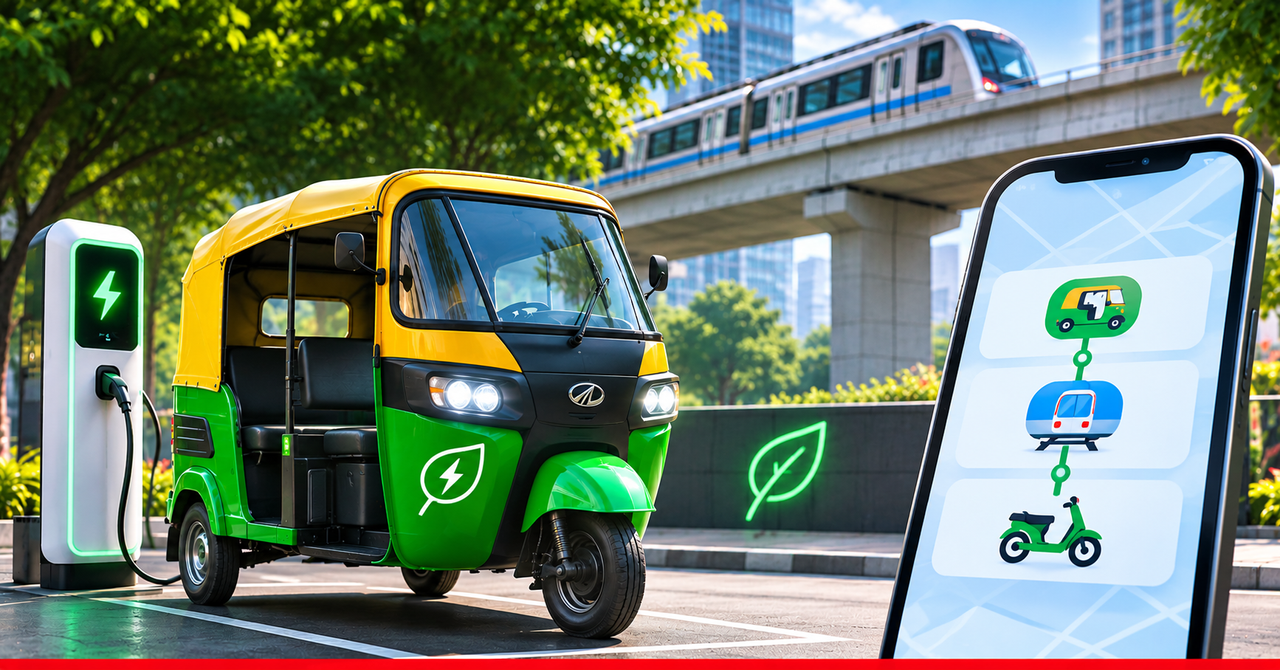
Uber has partnered with Mahindra Last Mile Mobility, as announced on November 16, 2026, in Mumbai. The companies have signed a memorandum of understanding (MoU) to support the adoption of 5,000 Mahindra electric three-wheelers over the next 12 months through an initiative called EV Auto Advantage. The program will explore financing arrangements, trade-in incentives, and other forms of driver support, with particular attention to markets where electric vehicle adoption remains low. Alongside the partnership, Uber showcased Connected Journeys, a feature designed to help commuters combine metro travel with autos and two-wheelers through the Uber app. Together, the initiatives show how Uber is approaching urban mobility from two directions: encouraging drivers to adopt electric vehicles and making it easier for passengers to use shared transport alongside public transit. Making Electric Autos More Practical for Drivers For drivers considering an electric auto-rickshaw, the initial purchase cost is often an important factor. Although electric vehicles can offer lower running costs, the financial benefits depend on how much the vehicle is used, charging availability, maintenance expenses, and financing terms. Replacing an existing vehicle also involves a substantial investment, particularly for drivers who operate on tight daily budgets. Uber's EV Auto Advantage program is intended to address some of these concerns. Under the agreement, Uber and Mahindra Last Mile Mobility will develop initiatives covering financing, trade-in incentives, and support for drivers using Mahindra electric autos on the Uber platform. The companies will prioritize markets where EV adoption has been slower. However, they have not disclosed the financing terms, incentive amounts, participating cities, or the number of electric autos already committed under the program. The 5,000-vehicle figure is therefore an adoption target for the coming year, not a completed deployment. Suman Mishra, Managing Director and CEO of Mahindra Last Mile Mobility, said the economics of vehicle ownership will be central to encouraging drivers to make the transition. "Sustainable mobility will scale when it works for the driver first. By making electric mobility a better economic choice for drivers and entrepreneurs, we are creating impact that is both sustainable and scalable." For Mahindra, the partnership provides another opportunity to expand the use of its electric three-wheelers in commercial passenger transport. For Uber, improving driver access to electric vehicles could help increase EV availability on its platform without requiring drivers to manage the transition entirely on their own. Mahindra's Role in the EV Partnership Mahindra Last Mile Mobility has been expanding its electric commercial vehicle business as demand for battery-powered three-wheelers increases in India. In August 2026, the company announced that it had crossed four lakh cumulative electric vehicle sales across passenger and cargo applications. Its electric vehicle portfolio targets commercial users, including passenger transport operators and small businesses. The partnership with Uber brings Mahindra closer to a large ride-hailing network where vehicles can potentially generate regular demand from passengers. However, adoption will depend on how effectively the companies address financing, vehicle availability, and day-to-day operational requirements. Drivers will also need to consider access to charging, downtime, and whether expected earnings justify switching from their existing vehicles. The agreement does not establish that the targeted vehicles will be deployed across all Uber markets or that every participating driver will receive the same incentives. Uber Expands Its Metro Integration Uber's second announcement focuses on how passengers travel within cities. A metro journey often involves more than the train ride itself. Commuters may need an auto or two-wheeler to reach the station and another ride to complete the journey after getting off. Planning these separate connections can require switching between transport options, checking travel times, and arranging multiple bookings. Uber's Connected Journeys feature is designed to bring these choices into one journey plan. The feature is being introduced progressively in India, beginning with Delhi. It will allow users to view travel options combining metro services with first- and last-mile transport such as autos and two-wheelers. Passengers will be able to compare route options, estimated travel times, and prices for different parts of their journey, then book the relevant services through the app. The idea is to make it easier for commuters to combine public transport and shared mobility rather than treating them as separate travel choices. Connected Journeys builds on Uber's existing metro ticketing integration. The company currently supports metro ticket booking through its app in Delhi, Mumbai, Bengaluru, Chennai, and Pune. Pradeep Parameswaran, Global Head of Mobility at Uber, said the company sees opportunities to bring different transport options together around how people travel. "The opportunity ahead is to build a mobility ecosystem where public transport and shared mobility work to make cities more accessible, efficient,, and sustainable." Making Metro Travel Easier Uber introduced metro ticketing in Delhi in May 2025 through an integration with the Open Network for Digital Commerce (ONDC). The arrangement allowed passengers to purchase metro tickets and access travel information through the Uber app. The service has since expanded to additional Indian cities. Connected Journeys takes that approach further by helping passengers plan different parts of their trip together. For example, a commuter could examine an auto ride to a metro station, the metro journey itself, and a two-wheeler ride to the final destination. However, the feature is being rolled out progressively. Uber has not announced when it will become available across all its Indian markets. The company has also not provided usage projections or figures showing how much time or money commuters might save through the new experience. Its effectiveness will depend on the availability of transport options, the accuracy of journey information, and how reliably passengers can move between different services. The Economics of Electric and Shared Mobility Uber's two announcements address different but connected challenges. Electric autos could help reduce dependence on conventional fuels in urban passenger transport. Better integration with metro services could make public transport more convenient by improving access to stations. But neither outcome is automatic. The environmental benefits of electric vehicles depend partly on vehicle utilization, electricity sources, and how they replace existing transport. Similarly, combining metro travel with shared rides may make journeys more convenient, but it does not necessarily mean commuters will stop using private vehicles. For drivers, affordability and earning potential will remain central to EV adoption. For passengers, the deciding factors are likely to be convenience, reliable availability, and competitive pricing. Uber has not disclosed the expected emissions reductions from the Mahindra partnership or quantified the potential impact of Connected Journeys on private vehicle usage. These outcomes will become clearer as the initiatives reach more drivers and commuters. The Focus on EV Adoption Uber's partnership with Mahindra Last Mile Mobility gives the companies a defined target of supporting 5,000 electric auto-rickshaws over the next year. The immediate challenge will be converting that commitment into actual vehicle adoption, particularly in markets where financing and operating requirements continue to discourage drivers from switching to EVs. At the same time, Connected Journeys will test whether bringing metro services and shared rides into one planning experience makes everyday travel more convenient. For Uber, the opportunity is to make its platform useful across more parts of a passenger's journey rather than relying on individual ride bookings. The success of both initiatives will depend on practical results: whether drivers find electric autos financially worthwhile and whether commuters find it easier to complete journeys using a combination of public transport and shared mobility. Those outcomes will determine how much the latest announcements contribute to India's electric and connected urban mobility plans.