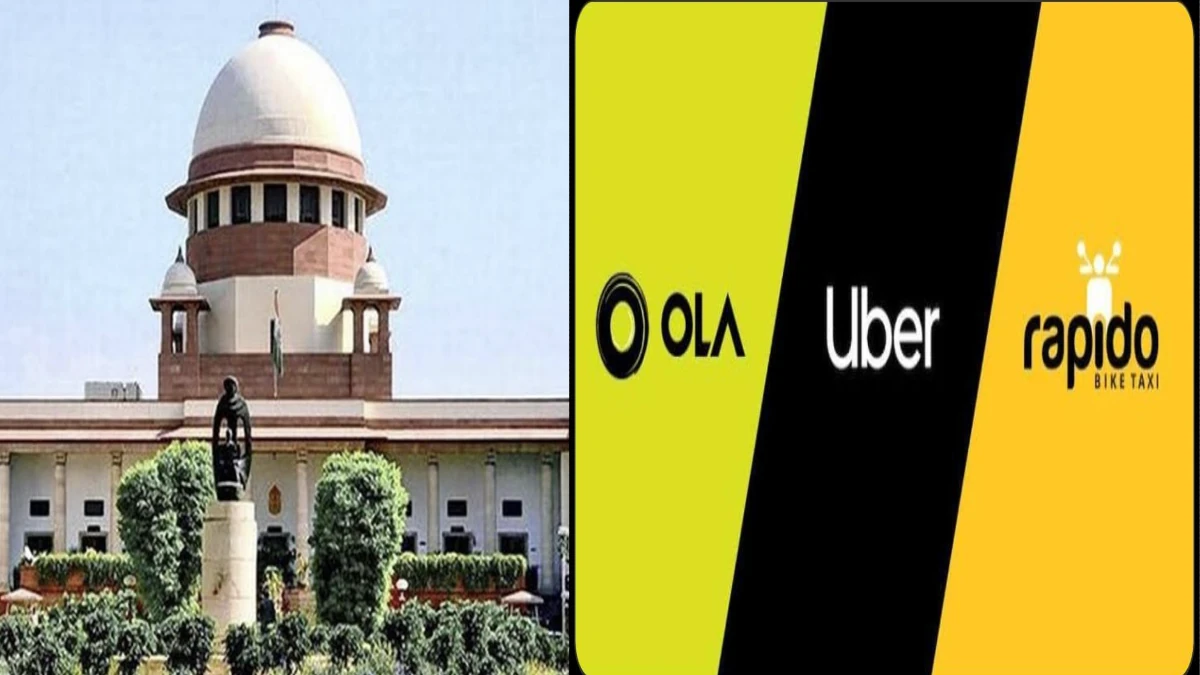
Supreme Court delivers a major blow to the Karnataka Congress govt, clears the way for Ola, Uber and Rapido Bike Taxis
India
November 20, 2026
BENGALURU: In a significant setback to the Karnataka government, the Supreme Court has dismissed its appeal challenging the Karnataka High Court’s January 2026 order permitting bike taxi operations in the state. The ruling allows app-based aggregators such as Ola, Uber and Rapido to continue their bike taxi services, dealing a blow to the state government’s efforts to keep the two-wheeler taxi sector out of operation. A bench comprising Justice Satish Chandra Sharma and Justice K. Vinod Chandran passed the order on November 20, rejecting the state’s challenge to the High Court’s decision. The Supreme Court made it clear that bike taxis cannot be subject to a blanket prohibition and that the government should regulate their operations within the law. The court also observed that motorcycles are eligible to operate as transport vehicles under the Motor Vehicles Act. The ruling strengthens bike taxi operators’ legal position. It limits the state government’s scope to deny permission merely because the vehicles are two-wheelers. The dismissal of the state’s appeal marks another setback for the government, which had maintained that allowing bike taxis to operate without an appropriate regulatory framework could create safety, insurance and law-and-order concerns. The latest verdict also provides relief to thousands of bike taxi riders and commuters who depend on these services for affordable and convenient transportation, particularly in Bengaluru. The decision is equally significant for Ola, Uber and Rapido, which had challenged restrictions on their operations. Their position that motorcycles can legally be used for commercial passenger transportation has received judicial support. Government’s safety concerns The Karnataka government had opposed bike taxi operations on several grounds, including passenger safety, insurance coverage and the possibility of harassment, particularly involving women commuters. The Transport Department had earlier introduced a regulatory framework for electric bike taxi services. However, the government subsequently withdrew the framework amid concerns over alleged incidents of harassment and the safety of women passengers. The state government had argued that allowing bike taxis without adequate safeguards could expose commuters to considerable risks. It also raised concerns that some two-wheelers operating as taxis might lack valid insurance coverage appropriate for commercial passenger transport. In the event of an accident involving an uninsured or inadequately insured vehicle, passengers could face difficulties in obtaining compensation. The government also cited environmental concerns and the possibility of increased traffic congestion in urban areas. These arguments formed part of the state’s case for restricting bike taxi services. However, the Supreme Court’s latest decision made it clear that a complete prohibition cannot be the answer when the law allows motorcycles to be registered and operated as transport vehicles. The government will now have to work within the legal framework and examine appropriate regulatory safeguards rather than rely on a blanket ban. High Court had already overturned restrictions The Supreme Court’s decision follows an earlier setback for the Karnataka government in the High Court. The Karnataka High Court’s Division Bench had overturned the restrictions imposed on bike taxi operations, allowing the services to resume. The bench, comprising Chief Justice Vibhu Bakhru and Justice C.M. Joshi, allowed appeals filed by Ola, Uber, Rapido, two-wheeler owners and the Bike Taxi Welfare Association. The appeals challenged an earlier single-judge order directing the suspension of bike taxi operations until the state government framed a policy regulating the sector. The Division Bench held that motorcycles could be registered as transport vehicles and operated as contract carriages under the Motor Vehicles Act. It also observed that the government could prescribe regulatory conditions for such services but could not refuse licences solely because the vehicles were motorcycles. The High Court’s ruling had consequently removed the immediate legal obstacle to bike taxi operations in Karnataka. The state government subsequently approached the Supreme Court, seeking to challenge the Division Bench’s decision and defend its position on restrictions imposed on the sector. However, the dismissal of the appeal has left the government with another legal setback, reinforcing the High Court’s position. Also Read: Central Sanskrit University: Agniveervayu personnel to undergo special yoga instructor training under IAF-CSU MoU Relief for aggregators and commuters The verdict is expected to affect Bengaluru’s urban transport system, where bike taxis have emerged as an alternative to autorickshaws and app-based cab services. For commuters, particularly those travelling short distances during peak traffic hours, bike taxis offer a relatively economical and quicker option. The services are also widely used by people seeking last-mile connectivity to Metro stations, bus terminals and workplaces. For riders, the ruling provides greater clarity on the legal status of bike taxi operations. It also offers relief to those whose livelihoods depend on providing app-based two-wheeler transport services.